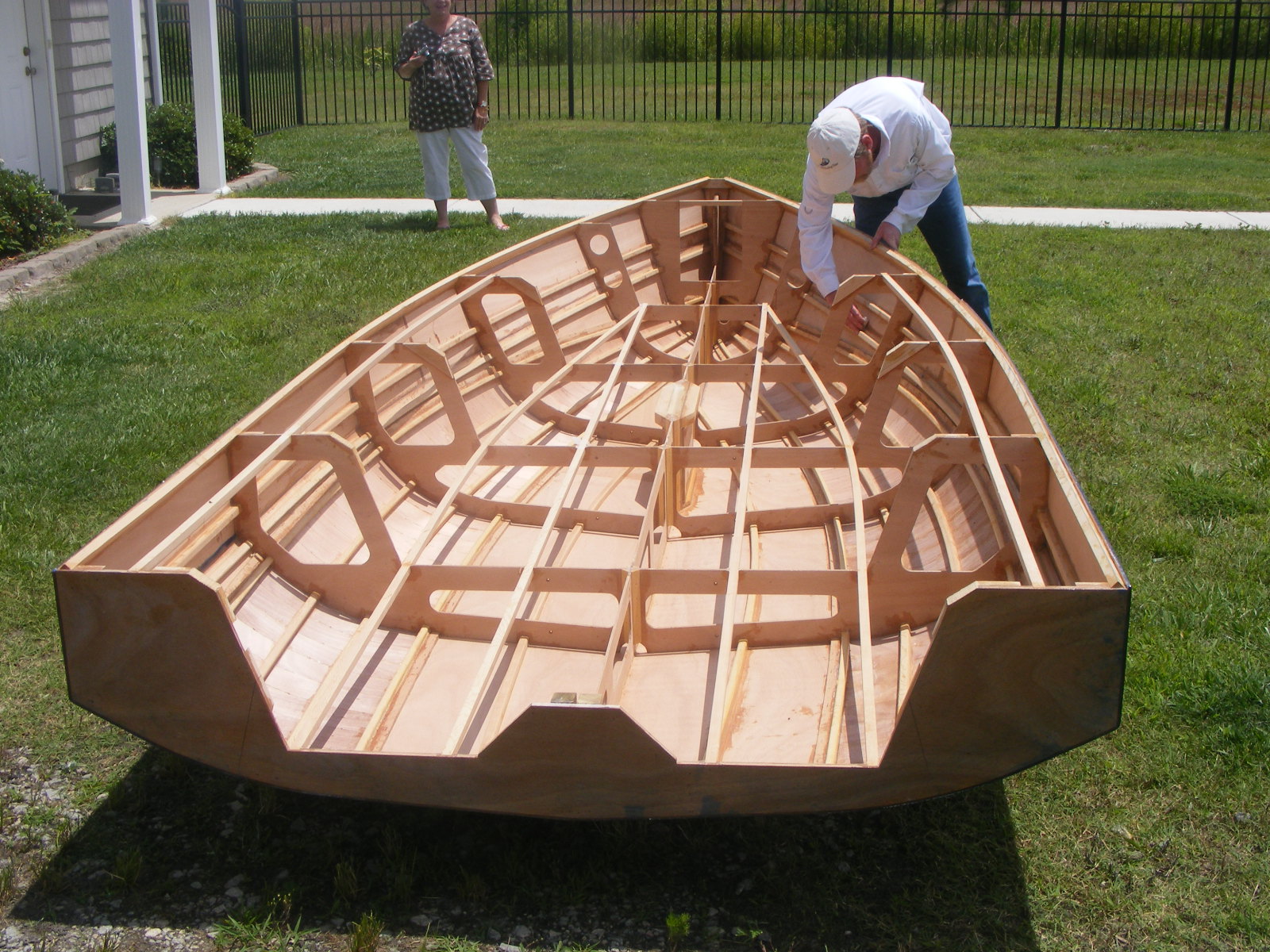
Beyond the Plans: Unveiling Hidden Gems in "How to Build a Wooden Boat"
This review isn't about whether *How to Build a Wooden Boat with Detailed Plans* (let's call it "the book") is a good resource â€" it is, undeniably, a comprehensive guide. Instead, we'll delve into less-discussed aspects, offering new perspectives for both seasoned shipwrights and enthusiastic beginners. We'll do this through a question-and-answer format, exploring the book's potential beyond its literal instructions.The Unspoken Challenges: More Than Just Wood and Nails
Q: The book provides detailed plans, but how does it address the unpredictable nature of wood? Every plank is unique, right?
A: This is where the true craftsmanship lies. While the book gives you dimensions, it subtly emphasizes *adaptation*. Experienced builders know that selecting wood is as crucial as following the plans. The book's strength isn't in ignoring variability, but in equipping you to handle it. Think of it as a recipe â€" it guides you, but allows for your own culinary flair. Recent research in timber engineering (e.g., studies from the University of Oxford’s Department of Engineering Science on wood variability and its effect on structural integrity) highlights the critical role of material understanding. You need to inspect each plank, understand its grain, and adjust your cuts accordingly. The book implicitly encourages this, paving the way for a truly personalized boat.
Q: The book focuses on the physical build. But how about the mental and emotional journey? It's a long-term project, after all.
A: This is rarely discussed, but building a boat is a marathon, not a sprint. A friend of mine, a seasoned woodworker, spent two years building a small sailboat based on similar plans. He documented his emotional highs and lows â€" the initial exhilaration, the moments of frustration when things didn't fit, and the immense satisfaction upon completion. He even started a blog (sadly, it's no longer active) about his "boat therapy." These emotional aspects, though not explicitly covered, are inherently part of the process. The book prepares you for the physical challenges, but understanding the emotional roller coaster is vital for project completion. Consider creating a project journal to track your emotional experienceâ€"a valuable tool for reflection and personal growth.
Beyond the Blueprint: Innovation and Sustainability
Q: Can we use the book's principles to explore sustainable and innovative boatbuilding techniques?
A: Absolutely! The book lays a solid foundation. Instead of using traditional hardwoods (whose sustainability is increasingly questioned), consider exploring sustainably sourced alternatives like bamboo or reclaimed wood. Many universities now offer courses in sustainable materials science, providing the knowledge base for informed choices. Integrating recycled materials into the build, like using repurposed metal fittings or epoxy made from recycled plastics, further enhances the eco-friendly aspect. This approach not only reduces environmental impact but allows for creative problem-solving and personalized boat design.
Q: The book is comprehensive, but could it benefit from incorporating digital tools and modern technology?
A: While the book focuses on traditional methods, integrating digital tools like 3D modeling software (e.g., Fusion 360) before the physical build can significantly enhance precision and reduce errors. Laser cutting for complex components could speed up the process, and using virtual reality (VR) to visualize the final product before construction offers a powerful pre-planning tool. Integrating these technologies, while not explicitly addressed in the book, creates a unique opportunity to bridge traditional craftsmanship with modern innovation.
Conclusion: A Foundation for Exploration
“How to Build a Wooden Boat with Detailed Plans†is more than just a guide; it's a springboard for creativity and innovation. By addressing the unspoken challenges, embracing sustainable practices, and incorporating modern technology, you can transform the experience from a project to a deeply personal and rewarding journey. The book provides the foundationâ€"your imagination and dedication will define the structure.
0 comments:
Post a Comment
Note: Only a member of this blog may post a comment.