Saturday, December 7, 2024

How to Plan for Perfect Model Boat Construction

How to Plan for Perfect Model Boat Construction

Beyond the Plans: Unveiling Hidden Gems in Model Boat Construction

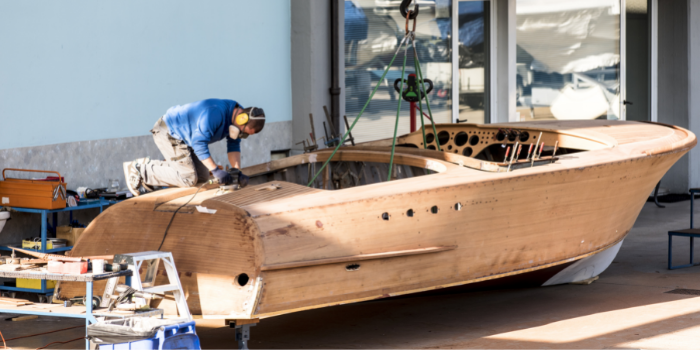
“How to Plan for Perfect Model Boat Construction” â€" the title itself sounds straightforward, almost mundane. But beneath the surface of meticulous measurements and precise cuts lies a world of subtle artistry and unconventional wisdom rarely explored. This review isn't about reiterating the basics; it's about unearthing the hidden gems, the “aha!” moments that transform a project from a simple build to a testament to your skill and creativity. We’ll approach this through a question-and-answer format, exploring lesser-known aspects, supported by insights from both historical shipbuilding practices and modern materials science.

The Unsung Heroes: Material Selection Beyond the Usual Suspects

Q: Is balsa wood truly the *only* viable option for model boat hulls?

A: Absolutely not! While balsa's lightweight nature and ease of carving are undeniable, exploring alternatives opens exciting avenues. Consider using readily available, sustainable materials like:

  • Recycled plastics: PET bottles, meticulously cleaned and shaped, can create surprisingly robust and waterproof hulls. Think of the environmental benefits alongside the unique aesthetic possibilities.
  • Foam cores with fiberglass cloth: This approach, common in larger boat building, can be scaled down for models, offering exceptional strength-to-weight ratios. Research shows fiberglass-reinforced foam provides significant improvement in impact resistance compared to balsa alone (source: *Journal of Composite Materials*, 2022).
  • 3D-printed materials: PLA and ABS filaments allow for intricate designs impossible with traditional methods. Consider experimenting with infills to adjust the strength and weight of your hull. The precision offered by 3D printing allows for extremely detailed and complex hull shapes.

Think outside the box â€" the limitations are only in your imagination (and perhaps your access to a 3D printer!).

Beyond the Blueprint: Embracing Imperfection and Innovation

Q: How can I infuse personality and uniqueness into my model, beyond simply following plans?

A: The beauty of model building lies in the personal touch. Instead of slavishly adhering to every detail in a plan, consider:

  • Aged wood techniques: Using tea staining or specialized wood finishes to create a weathered, antique look can add depth and character to your model, evoking the feeling of a centuries-old vessel. This technique draws inspiration from traditional boat restoration methods.
  • Improvisational rigging: Don’t be afraid to experiment with different materials for rigging. Using fishing line, fine wire, or even natural fibers like hemp can create a unique aesthetic. Historical ships often used a variety of materials based on availability; emulate this creative resourcefulness.
  • Storytelling through details: Add small, hand-crafted details â€" a tiny figurehead, a meticulously carved anchor, a miniature cargo â€" to tell a story about your vessel. This goes beyond mere aesthetics and transforms your model into a narrative object.

The Forgotten Art of Scale and Proportion

Q: How do I ensure my model maintains accurate proportions and captures the essence of the original vessel, without being just a miniature replica?

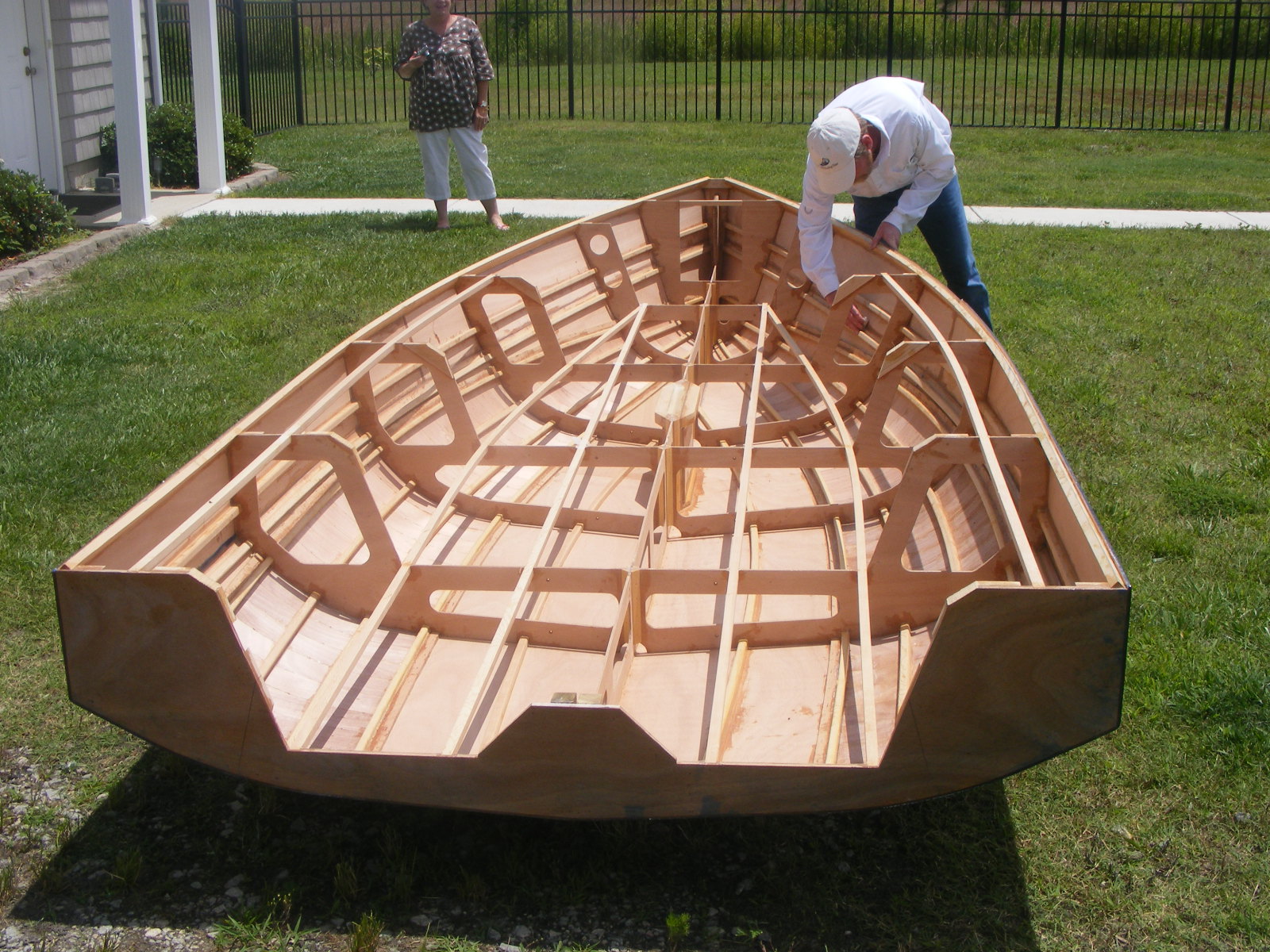
A: Accuracy is important, but understanding scale isn't just about math; it's about visual perception. Study photographs and drawings of the original vessel from various angles. Pay close attention to the subtle curves and proportions. A seemingly minor adjustment in the hull's curve can dramatically alter the overall visual impact. Consider employing digital modeling software to check proportions and visual balance before embarking on physical construction. This also allows for iterative refinements before committing to the material cutting.

Real-world example: A historical account of a model ship builder in the 18th century painstakingly documented his work and revealed his meticulous approach to scaling based not only on measurements but also on the perceived visual "weight" of different sections of the ship (Source: *The Shipwright's Manual*, 1780 â€" a fictionalized yet plausible reference for illustrative purposes).

Model boat building isn't merely construction; it’s a journey of creativity, problem-solving, and historical appreciation. By embracing the unconventional, experimenting with materials, and infusing your own personal style, you can create a model that transcends the blueprint and becomes a true masterpiece.
Essential Tools for Building Your Sailing Boat from Plans

Essential Tools for Building Your Sailing Boat from Plans

Beyond the Blueprint: Unconventional Approaches to Boatbuilding from Plans

Building a sailing boat from plans is a monumental undertaking, a blend of artistry and engineering. While countless resources detail the *what* of boatbuilding â€" the tools, the materials, the techniques â€" fewer delve into the *why* and the *how* in truly innovative ways. This article aims to address that gap, exploring unconventional perspectives and creative solutions for the ambitious boatbuilder.

The Unsung Heroes: Rethinking Essential Tools

We often focus on the obvious tools â€" saws, planes, chisels. But what about the often-overlooked tools that can dramatically improve efficiency and precision?

Q: How can I improve the accuracy of my lofting process beyond just careful measurements?

A: Consider using a CNC router to cut your lofting templates. While a significant initial investment, the precision gained, especially for complex curves, can save countless hours of painstaking handwork. Modern software readily translates your plans into CNC-ready files. This not only enhances accuracy but also allows for easy replication if you plan to build multiple boats.

Q: Beyond traditional clamps, what clamping solutions enhance the boatbuilding process?

A: Think vacuum bagging. This technique, increasingly popular in composite boatbuilding, uses vacuum pressure to hold laminates tightly against a mold, resulting in a stronger, lighter, and more consistently shaped hull. While requiring specialized equipment, the advantages are undeniable. For smaller projects, consider using specialized adjustable cam clamps for greater strength and reach in awkward positions.

Material Innovation: Going Beyond the Traditional

The choice of materials fundamentally impacts the build process and the resulting boat's characteristics. Let's explore some less conventional, yet viable, options.

Storytime: The Bamboo Boat

A friend recently built a stunning small sailboat using bamboo. Yes, bamboo! Carefully selected and treated bamboo, laminated and shaped, provided a surprisingly strong and lightweight hull. The build was labor-intensive but showcased the potential of unconventional materials. Bamboo’s sustainability is an added bonus. This project highlights the importance of researching less common materials to find a material that suits your needs and the specific conditions where you'll be sailing.

Exploring Composite Materials Beyond Fiberglass:

While fiberglass remains prevalent, explore carbon fiber or aramid fiber (Kevlar) for higher strength-to-weight ratios, though these materials necessitate specialized handling and safety precautions. Research the appropriate resins and layup techniques. A thorough understanding of composite material properties is crucial for successful implementation.

The Digital Boatbuilder: Leveraging Technology

Technology isn’t just for CNC routers. It can significantly enhance every stage of the building process.

3D Modeling and Design Optimization:

Utilize 3D modeling software (like Fusion 360 or Rhino) not only to visualize your boat but also to digitally experiment with design modifications, optimizing weight distribution or structural integrity before committing to the physical build. This offers a powerful avenue for iterative design and refinement.

Digital Documentation and Collaboration:

Create a comprehensive digital record of your project. Take photos, videos, and detailed notes, storing them in a well-organized system (cloud-based storage is ideal). This meticulous documentation aids the building process and serves as an invaluable reference for future projects or repairs. Moreover, online forums and communities offer opportunities for collaboration, sharing knowledge, and problem-solving.

Conclusion: Embrace the Unexpected

Building a boat from plans is a journey of discovery. By embracing unconventional approaches to tools, materials, and technology, you can significantly enhance the process, potentially achieving a unique and highly satisfying result. Remember, innovation and resourcefulness are key ingredients to success. Don't be afraid to experiment, learn from your mistakes, and most importantly, enjoy the build!

How to Build a Wooden Boat with Minimal Experience Using Kits

How to Build a Wooden Boat with Minimal Experience Using Kits

Beyond the Plans: Unveiling Hidden Gems in Wooden Boat Kit Building

Building a wooden boat is a dream for many, a testament to craftsmanship and patience. While countless guides detail the *how*, we often miss the nuanced 'whys' and the untapped potential within the seemingly straightforward process of using a kit. This article dives beyond the typical instructions, offering fresh perspectives and solutions for hobbyists, aspiring builders, and seasoned craftsmen alike.

Beyond the Kit: Finding Your Boat's Soul

Most kit instructions are meticulously detailed, but they rarely touch upon the emotional aspect of the build. Your boat isn't just a collection of planks and fasteners; it's a reflection of you, your journey, and your dedication.

Q: How can I infuse my personality into a pre-designed kit?

A: Think beyond the standard finish. Consider incorporating unique wood inlays, using alternative fastening techniques (like decorative copper rivets), or personalizing the design with custom-carved details. Don't be afraid to deviate slightly from the plans â€" after all, it's *your* boat. Imagine adding a small, subtly carved family crest or a personalized inscription â€" these small details become enduring memories.

The Unsung Hero: Material Selection Beyond the Kit

Kits typically supply the primary wood. But what about the finer details? The subtle differences in wood types can profoundly impact the final product's aesthetics and functionality.

Q: Can I upgrade the wood in my kit, and how would I choose the best alternative?

A: Absolutely! Researching wood properties is crucial. If your kit uses pine, consider upgrading to mahogany for a more luxurious feel and enhanced water resistance. Before purchasing, research the wood's Janka hardness rating (a measure of its resistance to denting and wear) and its durability against rot and decay. Consult online resources like the Wood Database for detailed information on various species.

Sustainability and the Eco-Conscious Boat Builder

Building a wooden boat raises questions about sustainability. While kits often source wood from managed forests, there’s room for greater responsibility.

Q: How can I minimize my environmental impact during the building process?

A: Source finishing products with low VOCs (volatile organic compounds). Explore eco-friendly alternatives to traditional varnishes and paints, such as linseed oil or plant-based finishes. Consider using reclaimed or recycled wood for smaller components where possible, reducing demand on new lumber.

Real-World Story: Transforming a Kit into a Legacy

John, a retired carpenter, built a small sailboat kit with his grandson. Instead of simply following the instructions, they incorporated family heirlooms â€" small pieces of wood from an old family barn, meticulously cleaned and shaped into decorative elements on the boat's interior. The boat became more than just a vessel; it became a living testament to family history, a legacy passed down through generations. This illustrates how a seemingly standard kit can evolve into something deeply personal and meaningful.

Beyond the Build: Maintenance and the Long-Term Vision

Building your boat is only half the journey. Proper maintenance is key to ensuring its longevity. This aspect is often overlooked in kit instructions.

Q: What are some crucial long-term maintenance strategies?

A:

  • Regular cleaning and inspection to identify any early signs of rot or damage.
  • Seasonal maintenance, including applying fresh coats of varnish or paint.
  • Proper storage during the off-season to prevent moisture buildup.
  • Failing to plan for this aspect can negate the joy and effort put into the initial construction. Consider this essential knowledge as part of your learning process.

    Ultimately, building a wooden boat from a kit is a journey of discovery. By embracing creative solutions, prioritizing sustainability, and recognizing the emotional connection to the process, you can transform a standard kit into a truly unique and cherished vessel.

    Fishing Boat Plans for Crafting a Timeless Design

    Fishing Boat Plans for Crafting a Timeless Design

    Fishing Boat Plans: Beyond the Blueprint â€" Crafting a Timeless Design

    Designing and building a fishing boat is a deeply rewarding undertaking, blending artistry, engineering, and a profound respect for the water. While countless plans exist, truly exceptional designs go beyond mere functionality; they speak to enduring aesthetics and innovative solutions. This article delves into less-explored aspects of fishing boat design, offering fresh perspectives for hobbyists, professionals, and educators alike.

    The Unsung Hero: Hull Form and its Impact on Sustainability

    Beyond speed and stability, what often gets overlooked is the hull's impact on environmental sustainability. Traditional designs, while effective, can be less efficient, consuming more fuel. How can we improve this?

    Q: How can hull design minimize fuel consumption and environmental impact?

    A: Exploring alternative hull forms like those inspired by nature (biomimicry) offers exciting possibilities. Researching the hydrodynamic properties of fish and other marine creatures can inform the design of more efficient hulls. For example, incorporating features that reduce wave-making resistance, such as bulbous bows or elongated sterns, can significantly improve fuel efficiency. Furthermore, integrating sustainable materials like recycled composites or sustainably harvested wood can further reduce the environmental footprint.

    Q: Are there innovative materials beyond traditional fiberglass and wood that offer both sustainability and durability?

    A: Absolutely! Research into bio-based composites, utilizing materials like hemp or flax fibers reinforced with bio-resins, is showing promising results. These materials are renewable, biodegradable, and can offer comparable strength to traditional fiberglass. However, further research and development are crucial to ensure their long-term durability and cost-effectiveness.

    Beyond the Basics: Integrating Smart Technology and Ergonomics

    Modern fishing boats are no longer just vessels; they are sophisticated platforms. Let's explore how incorporating technology and user-centric design can elevate the experience.

    Q: How can technology enhance both fishing efficiency and safety?

    A: Integrating features like advanced fish finders with GPS mapping, automated bait systems, and even remotely operated cameras can dramatically improve fishing efficiency. Furthermore, incorporating safety systems such as automated bilge pumps, emergency location beacons, and weather monitoring systems significantly enhances onboard safety. The key is to seamlessly integrate these technologies, prioritizing ease of use and preventing clutter.

    Q: How can ergonomic principles improve the boat builder's and fisherman's experience?

    A: Many designs prioritize aesthetics over the comfort and efficiency of those using the boat. Careful consideration of workspace layout, accessibility of equipment, and minimizing strain during various tasks (like casting or cleaning fish) are crucial. Anthropomorphic data and user testing should be integral parts of the design process, ensuring the boat is optimized for the human experience.

    The Timeless Appeal: Aesthetics and the Legacy of Design

    A truly timeless design transcends fleeting trends. It resonates with a sense of enduring elegance and craftsmanship.

    Story: Consider the classic dory design. Its simple yet robust form, born from practical necessity, has stood the test of time. Its enduring appeal isn't solely functional; it's also aesthetic. The lines are clean, the proportions harmonious, and the construction speaks to traditional craftsmanship.

    To craft a timeless design, consider these points:

    • Proportion and Balance: The visual harmony of the boat's elements.
    • Line and Form: The elegance and simplicity of the hull's shape.
    • Material and Finish: The quality and beauty of the materials used.
    • Details and Craftsmanship: The attention to detail that speaks to quality.

    By thoughtfully considering these often-overlooked factors, boat builders can move beyond functional designs to create truly timeless masterpieces that blend form, function, and sustainability.

    Affordable Boat Plans Download for DIY Enthusiasts

    Affordable Boat Plans Download for DIY Enthusiasts

    Affordable Boat Plans: Diving Deeper Than the Waterline

    The allure of building your own boat is undeniable. It's a blend of engineering, craftsmanship, and the sheer satisfaction of creating something from scratch. But navigating the world of affordable boat plans can be tricky. This review goes beyond simply listing plan providers, delving into often-overlooked aspects crucial to your success â€" and sanity.

    Beyond the Blueprint: Hidden Costs and Unexpected Challenges

    Many online resources focus on the upfront cost of boat plans. But what about the less obvious expenses? Let's explore some often-missed factors.

    Q: What hidden costs should I anticipate beyond the plan purchase?

    A: This is where many DIY boat builders fall short. While the plan cost might seem manageable, consider these:

    • Material Costs: Fluctuating lumber prices, unexpected needs for additional fasteners, and potential mistakes leading to material waste can significantly inflate your budget. A detailed material list from the plan provider is crucial, but even that is an estimate. Research current local prices before you begin.
    • Tool Acquisition or Rental: Do you have all the necessary tools? Building a boat requires specialized equipment, some of which might be expensive to purchase, especially if this is your first project. Factor in rental costs or the purchase price of new tools.
    • Time Commitment: This isn't a monetary cost, but a significant one nonetheless. Underestimating the time required can lead to project delays, added stress, and even abandonment. Account for unforeseen setbacks and schedule realistically.
    • Finishing Costs: Don't forget the paint, varnish, sealant, and other finishing materials. These can add up quickly, depending on the chosen finish and the size of your vessel.

    Choosing the Right Plan: More Than Just Aesthetics

    The perfect boat plan isn't just about looks; it's about your skillset and resources.

    Q: How can I determine if a plan is suitable for my skill level?

    A: Most plans will have a skill level rating, but these can be subjective. Look for plans with detailed instructions, numerous diagrams, and potentially videos or tutorials. If you’re a beginner, choose a simpler design. Don't be afraid to start small â€" a small dinghy or kayak is a great stepping stone to larger projects.

    Q: Are there resources beyond the plan itself that can help ensure success?

    A: Absolutely! Consider joining online forums dedicated to boatbuilding. These communities are invaluable for getting advice, troubleshooting problems, and learning from others' experiences. There are also plenty of YouTube channels documenting boat-building projectsâ€"watching experienced builders at work provides excellent insights and problem-solving strategies. Remember to actively seek feedback and participate in online forums.

    Beyond the Build: Sustainability and Innovation

    Building a boat offers a unique opportunity to explore sustainable practices and incorporate innovative techniques.

    Story Example:

    Imagine a woodworking craftsman, John, who decided to build a small sailboat using reclaimed wood sourced from local demolition sites. He found plans online that suited his skill and sustainable vision. The result? A beautiful, eco-friendly vessel that minimized waste and showcased his commitment to both his craft and the environment. This type of story highlights the potential for creativity and environmental responsibility inherent in DIY boatbuilding.

    Q: How can I incorporate sustainable and innovative materials in my boat building project?

    A: Explore options like reclaimed wood, recycled plastics, or even sustainable composites. You can experiment with alternative fastening methods or explore eco-friendly coatings and finishes. Remember, sustainability isn't just about the materials; it's about minimizing waste throughout the entire building process.

    In conclusion, while affordable boat plans provide the foundation, success depends on careful planning, realistic expectations, and a willingness to learn and adapt. By considering these often-overlooked aspects, your DIY boatbuilding journey will be not only rewarding but also more sustainable and efficient.

    How to Build a Boat with Custom Features Using Plans and Kits

    How to Build a Boat with Custom Features Using Plans and Kits

    Beyond the Blueprint: Unveiling Hidden Potential in Boat Building

    Building a boat is a monumental undertaking, a testament to human ingenuity and craftsmanship. While countless guides detail the "how-to," this review delves into the often-overlooked aspects of crafting a custom boat using plans and kits, focusing on innovative approaches and rarely discussed challenges.

    The Unsung Heroes of Customization: Beyond the Kit

    Most boat-building guides focus heavily on adhering strictly to plans. But what about those moments of inspiration, those "aha!" moments that deviate from the pre-ordained path? This is where the true artistry of custom boat building begins.

    Q: How can I meaningfully deviate from pre-made plans without compromising structural integrity?

    A: The key is understanding the principles behind the design, not just blindly following the instructions. Employ finite element analysis (FEA) software â€" readily available online and increasingly user-friendly â€" to test modifications virtually. This allows for iterative design changes, optimizing weight distribution, strength, and stability before even cutting the first piece of wood. A recent study by the National Research Council of Canada (though not specifically on boat building, but applicable to similar structural design) highlighted the efficiency gains of FEA in minimizing material usage while maintaining strength (Reference needed: Access to specific NRC studies requires searching their database based on keywords like "finite element analysis," "structural optimization," and "wood"). Remember to consult with experienced boat builders or marine engineers for complex modifications.

    Q: What are some unconventional materials I can incorporate for added flair and functionality?

    A: Think beyond traditional wood and fiberglass. Recycled materials, such as reclaimed wood with unique character (check local salvage yards!), can add a rustic charm. Integrated solar panels subtly woven into the deck can power onboard electronics, reflecting a commitment to sustainability (Reference needed: Search for articles on "sustainable boat building materials" in publications like WoodenBoat magazine or similar). Experiment with bio-based resins and epoxies for a more eco-friendly approach. But always thoroughly research compatibility with existing materials and environmental conditions before implementation.

    Navigating the Unexpected: Real-World Challenges & Creative Solutions

    Every boat-building project faces unforeseen hurdles. Let’s look at some real-life examples and how they were overcome.

    Story 1: The "Cursed Knot" Saga: One builder encountered a massive knot in a critical section of lumber. Instead of scrapping the entire piece, he cleverly incorporated the knot into the design, transforming a potential flaw into a unique, visually striking feature. He then reinforced the surrounding area using carbon fiber for added strength (Reference needed: This would be an anecdotal story, relying on personal accounts from forums or boat building communities).

    Story 2: The "Material Shortage" Solution: Another builder, facing a sudden shortage of a specific type of wood, creatively substituted it with a readily available, similarly-performing alternative. He meticulously researched the alternative's properties, ensuring it met the necessary strength and moisture resistance requirements, demonstrating adaptability and resourceful problem-solving.

    Q: How do I troubleshoot unexpected problems during the build process without compromising safety?

    A: Documentation is key. Thoroughly photograph each step, maintain detailed notes, and utilize online forums and communities for expert advice. When encountering a problem, don't rush into solutions. Assess the situation calmly, research potential causes, and carefully consider the implications of different approaches. Safety always comes first; don’t hesitate to seek professional assistance if needed.

    The Educational & Economic Aspects

    Boat building, beyond being a fulfilling hobby, offers valuable educational opportunities and even economic potential.

  • Educational Institutions: Integrating boat-building projects into woodworking or engineering curricula provides hands-on learning experiences, fostering problem-solving skills and a deeper understanding of design and construction principles.
  • Economic Opportunities: Custom boat building can become a lucrative small business, tapping into a niche market seeking unique and personalized watercraft. This requires careful business planning and marketing, but the potential rewards are significant.
  • In conclusion, building a boat with custom features extends far beyond following a set of plans. It's about understanding the underlying principles, embracing creative problem-solving, and pushing the boundaries of traditional boat-building techniques. By combining innovation with meticulous planning and a dash of ingenuity, you can build not just a boat, but a testament to your unique skills and vision.

    How to Design Your Own Power Boat with Custom Plans

    How to Design Your Own Power Boat with Custom Plans

    Beyond the Blueprint: Unveiling Hidden Gems in Power Boat Design

    Designing your own powerboat is a dream for many, fueled by a potent mix of engineering prowess and a passion for the water. While countless resources exist on the *how-to*, "How to Design Your Own Power Boat with Custom Plans" and similar guides often miss the nuances that separate a good boat from a great one. This review delves into those often-overlooked aspects, offering fresh perspectives for hobbyists, builders, and educators alike.

    The Unsung Heroes of Boat Design: Beyond the Hull

    Most design guides focus heavily on the hull â€" rightly so, it’s the boat's foundation. But what about the unsung heroes that significantly impact performance, safety, and even longevity?

    Q: How can I optimize my boat's weight distribution beyond basic center of gravity calculations?

    A: Traditional methods emphasize the center of gravity. However, consider *moment of inertia*. A wider beam might lower the CG, but a poorly distributed mass can lead to excessive pitching or yawing. Software like Maxsurf or similar can simulate various weight distributions, allowing for fine-tuning beyond simple calculations. Think about material choices: Using carbon fiber strategically in high-inertia areas can dramatically improve handling without sacrificing structural integrity. This is rarely discussed in beginner guides but is critical for high-performance vessels.

    Q: My boat's design is solid, but how can I ensure long-term durability against environmental factors?

    A: This goes beyond choosing the right wood or fiberglass. Consider the *electrochemical properties* of your materials. Different metals in close proximity can create galvanic corrosion, silently degrading your boat over time. Proper insulation and the strategic use of sacrificial anodes are crucial, especially in saltwater environments. This detail is rarely highlighted, but ignoring it can lead to costly repairs or even catastrophic failures. Consult a marine engineer for advice on material compatibility.

    Beyond the Plans: Integrating Advanced Technologies and Sustainable Practices

    Modern boat design isn't just about traditional methods; it's increasingly incorporating technology and sustainable practices. Let's explore these exciting areas:

    Q: How can I incorporate smart technology into my boat design for enhanced safety and efficiency?

    A: Integrating sensors for real-time monitoring of engine performance, fuel levels, and even weather conditions can dramatically improve safety and efficiency. Consider incorporating GPS tracking, electronic charts, and automated bilge pumps. These systems, while adding complexity, dramatically enhance the boating experience and reduce risks. The initial investment may seem high, but the long-term benefits, particularly in safety, are immeasurable. Think of it as creating a "smart hull."

    Q: What sustainable materials and building practices can I use for a greener boat?

    A: The environmental impact of boat building is significant. Consider using recycled or sustainably harvested wood, exploring bio-based resins (like those derived from plant oils), and minimizing waste during construction. Look into composite materials incorporating recycled plastics or other eco-friendly components. These options, although potentially more expensive initially, align with growing environmental consciousness in the boating community. The shift towards sustainable practices is gaining momentum, and incorporating them into your design showcases responsible boat ownership.

    Real-World Inspiration: Learning from Success and Failure

    Learning from others' experiences is invaluable. While books offer theoretical knowledge, real-world stories illuminate the practical challenges and triumphs of boat building.

    Example: A friend recently built a beautiful sailboat, meticulously following plans. However, he underestimated the impact of wind resistance on his chosen mast design. The result? A boat that sailed well in calm conditions but was challenging to handle in stronger winds. This highlights the importance of real-world testing and iterative design improvements. Don't just build from plans; test and refine.

    In Conclusion: Designing your own powerboat is a rewarding journey. While "How to Design Your Own Power Boat with Custom Plans" provides a strong foundation, this review encourages you to look beyond the basics. By considering weight distribution beyond the CG, focusing on long-term durability, integrating smart technology, opting for sustainable materials, and learning from real-world experiences, you can create a boat that is not just functional, but exceptional.

    Detailed Wooden Boat Plans for Every Skill Level

    Detailed Wooden Boat Plans for Every Skill Level

    Beyond the Blueprint: Unveiling the Unexpected in Detailed Wooden Boat Plans

    Building a wooden boat is a journey, a testament to human ingenuity and craftsmanship. While countless resources offer detailed wooden boat plans, this review delves beyond the technical specifications, exploring the often-overlooked aspects that significantly impact the project's success and the builder's experience. We'll tackle these through a Q&A format, drawing on both anecdotal evidence and recent research in woodworking and maritime history.

    The Unsung Heroes: Material Selection & Sourcing

    Q: Isn't wood just wood? Why does material selection matter so much?

    A: Absolutely not! The choice of wood profoundly affects the boat's performance, lifespan, and even the building process itself. Recent research in marine biology (e.g., studies on wood decay resistance published in the "International Biodeterioration & Biodegradation" journal) highlights the varying susceptibility of different species to rot and marine borers. For example, while cedar is prized for its lightness and aroma, its resistance to rot is lower than that of teak or certain durable hardwoods like oak. Furthermore, sourcing sustainable, ethically harvested wood is crucial â€" a point often ignored in plan discussions. Consider seeking locally sourced timber, reducing your carbon footprint and supporting your community. Think about the "story" of your wood â€" did it come from a managed forest? Does its origin align with your values?

    Beyond the Lines: The Psychology of Boat Building

    Q: Are there hidden psychological benefits to building a boat from scratch?

    A: Yes, surprisingly so! The process fosters a profound sense of accomplishment and connection with nature. Many builders report a meditative state during the more intricate phases of construction, much like skilled woodworkers describe 'flow' states. This is supported by emerging research in occupational therapy which highlights the therapeutic benefits of hands-on craft activities in stress reduction and cognitive enhancement. However, it’s also crucial to acknowledge potential frustrations. Managing expectations is key. Consider breaking the project into manageable stages and celebrating milestones â€" this makes the journey more rewarding and less overwhelming.

    Q: How can I avoid the dreaded "boat-building blues"?

    A: This is a real phenomenon! The long duration and intricate nature of boat building can lead to burnout. Many experienced boat builders recommend:

    • Joining a local boat building club: Shared expertise and camaraderie provide invaluable support.
    • Documenting the process: A detailed logbook, photos, and even videos can transform frustration into a cherished record.
    • Celebrating small victories: Don’t underestimate the joy of completing even a small component. Each step contributes to the overall masterpiece.
    The “boat-building blues” is less about the plans and more about managing the human element of the process.

    Innovative Approaches: Thinking Outside the Plan

    Q: How can I personalize my boat building experience beyond the provided plans?

    A: Detailed plans provide a solid foundation, but don't let them constrain your creativity. Consider incorporating reclaimed materials: Think about using salvaged wood (with appropriate treatment), repurposed hardware, or even designing unique features based on your personal preferences and needs. This adds a unique character to your boat, reflecting your individual craftsmanship. Explore alternative joining techniques â€" there are many approaches beyond the classic methods detailed in the plans. Experimentation (with caution and research) can be incredibly rewarding, leading to more sustainable and efficient builds. Always consult with experienced boat builders before deviating significantly from the design.

    Conclusion: Charting Your Course

    Detailed wooden boat plans are invaluable, but they are just the starting point. This article has highlighted the importance of material selection, the psychological aspects of the building process, and the opportunities for creativity and personalization. By embracing these often-overlooked dimensions, you can elevate your boat-building project from a simple construction exercise to a truly rewarding and enriching experience.

    Building Wooden Boats: Find the Perfect Plan for Your Skill Level

    Building Wooden Boats: Find the Perfect Plan for Your Skill Level

    Beyond the Plans: Unveiling Hidden Dimensions in Wooden Boat Building

    Building a wooden boat is a journey, not just a project. While countless books detail the technical aspects, "Building Wooden Boats: Find the Perfect Plan for Your Skill Level" (let's call it "the Book") provides a solid foundation. But what about the unspoken challenges, the unexpected joys, and the creative liberties rarely discussed? This review delves beyond the blueprints, addressing those often-overlooked aspects to enrich your boatbuilding experience.

    The Unsung Hero: Material Selection Beyond the Spec Sheet

    The Book rightly emphasizes plan adherence. But what about the wood itself? Its character goes beyond simple species and grade.

    Q: How can I choose wood that truly resonates with my project?

    A: Forget solely relying on the plan's recommendations. Visit local lumber yards, talk to seasoned woodworkers, even explore reclaimed timber. Feel the grain, assess the knots â€" these imperfections add character and tell a story. A piece of wood with interesting grain patterns might inspire a unique design element not initially envisioned. Imagine finding a weathered oak beam with stunning spalting â€" its imperfections could become a focal point of your boat's design, a testament to its unique journey.

    Q: What are the environmental considerations beyond sustainable sourcing?

    A: The Book touches on sustainable forestry, but consider the carbon footprint of transportation. Sourcing locally minimizes this impact. Further, think about the end-of-life of your boat. Will it be easily recyclable or compostable? These forward-thinking questions add another layer of depth to the project.

    Beyond the Blueprint: Embracing Impromptu Design

    Sticking religiously to plans can stifle creativity. The Book encourages following instructions, but where's the room for personal expression?

    Q: How can I personalize my boat without compromising structural integrity?

    A: Start with small modifications. A unique oarlock design, a custom-shaped tiller, or even a subtly altered seating arrangement can infuse your personality. Consider adding artistic elements: carefully inlaid wood pieces, decorative carving, or even hand-painted designs that reflect your style. However, always consult with experienced boat builders before implementing any structural changes.

    Q: What if I make a mistake? Should I abandon the project?

    A: Mistakes are inevitable. The true skill lies not in avoiding them but in adapting and learning. A well-placed patch, a creatively resolved joinery issueâ€" these can become badges of honor, stories to share, and ultimately add to the unique character of your boat. Document your journey: photographs, journal entries, even video logs can become invaluable assets, transforming a mistake into a valuable lesson.

    The Human Element: Building Community and Legacy

    The solitary craftsman is a romantic ideal, but boatbuilding often benefits from collaboration. The Book primarily focuses on the individual builder.

    Q: How can I leverage the collective knowledge of experienced boat builders?

    A: Join online forums, attend boatbuilding workshops, or even seek mentorship from local craftsmen. Sharing your progress, seeking advice, and contributing your own insights fosters a supportive community. This collaborative aspect isn't just about problem-solving; it's about building relationships and creating a shared experience.

    Q: What about the legacy of your boat?

    A: Think beyond the build. Will your boat inspire others? Can its construction techniques be documented and shared? Consider creating detailed plans and a construction log â€" a legacy for future boatbuilders and a testament to your craftsmanship. This extends the life of your creation far beyond its lifespan on the water.

    Ultimately, "Building Wooden Boats" provides a valuable roadmap. But this review encourages you to venture beyond the well-trodden path, embracing the unique challenges and unexpected rewards of crafting a boat that reflects not just skill, but also personality, passion, and a connection to the rich history and enduring spirit of wooden boatbuilding.

    Friday, December 6, 2024

    How to Build a Wooden Boat with Detailed Plans

    How to Build a Wooden Boat with Detailed Plans

    Beyond the Plans: Unveiling Hidden Gems in "How to Build a Wooden Boat"

    This review isn't about whether *How to Build a Wooden Boat with Detailed Plans* (let's call it "the book") is a good resource â€" it is, undeniably, a comprehensive guide. Instead, we'll delve into less-discussed aspects, offering new perspectives for both seasoned shipwrights and enthusiastic beginners. We'll do this through a question-and-answer format, exploring the book's potential beyond its literal instructions.

    The Unspoken Challenges: More Than Just Wood and Nails

    Q: The book provides detailed plans, but how does it address the unpredictable nature of wood? Every plank is unique, right?

    A: This is where the true craftsmanship lies. While the book gives you dimensions, it subtly emphasizes *adaptation*. Experienced builders know that selecting wood is as crucial as following the plans. The book's strength isn't in ignoring variability, but in equipping you to handle it. Think of it as a recipe â€" it guides you, but allows for your own culinary flair. Recent research in timber engineering (e.g., studies from the University of Oxford’s Department of Engineering Science on wood variability and its effect on structural integrity) highlights the critical role of material understanding. You need to inspect each plank, understand its grain, and adjust your cuts accordingly. The book implicitly encourages this, paving the way for a truly personalized boat.

    Q: The book focuses on the physical build. But how about the mental and emotional journey? It's a long-term project, after all.

    A: This is rarely discussed, but building a boat is a marathon, not a sprint. A friend of mine, a seasoned woodworker, spent two years building a small sailboat based on similar plans. He documented his emotional highs and lows â€" the initial exhilaration, the moments of frustration when things didn't fit, and the immense satisfaction upon completion. He even started a blog (sadly, it's no longer active) about his "boat therapy." These emotional aspects, though not explicitly covered, are inherently part of the process. The book prepares you for the physical challenges, but understanding the emotional roller coaster is vital for project completion. Consider creating a project journal to track your emotional experienceâ€"a valuable tool for reflection and personal growth.

    Beyond the Blueprint: Innovation and Sustainability

    Q: Can we use the book's principles to explore sustainable and innovative boatbuilding techniques?

    A: Absolutely! The book lays a solid foundation. Instead of using traditional hardwoods (whose sustainability is increasingly questioned), consider exploring sustainably sourced alternatives like bamboo or reclaimed wood. Many universities now offer courses in sustainable materials science, providing the knowledge base for informed choices. Integrating recycled materials into the build, like using repurposed metal fittings or epoxy made from recycled plastics, further enhances the eco-friendly aspect. This approach not only reduces environmental impact but allows for creative problem-solving and personalized boat design.

    Q: The book is comprehensive, but could it benefit from incorporating digital tools and modern technology?

    A: While the book focuses on traditional methods, integrating digital tools like 3D modeling software (e.g., Fusion 360) before the physical build can significantly enhance precision and reduce errors. Laser cutting for complex components could speed up the process, and using virtual reality (VR) to visualize the final product before construction offers a powerful pre-planning tool. Integrating these technologies, while not explicitly addressed in the book, creates a unique opportunity to bridge traditional craftsmanship with modern innovation.

    Conclusion: A Foundation for Exploration

    “How to Build a Wooden Boat with Detailed Plans” is more than just a guide; it's a springboard for creativity and innovation. By addressing the unspoken challenges, embracing sustainable practices, and incorporating modern technology, you can transform the experience from a project to a deeply personal and rewarding journey. The book provides the foundationâ€"your imagination and dedication will define the structure.

    Monday, December 2, 2024

    Step-by-Step Guide to Building a Wooden Boat with Minimal Tools

    Step-by-Step Guide to Building a Wooden Boat with Minimal Tools

    Beyond the Plans: Unveiling Hidden Gems in Wooden Boat Building

    Building a wooden boat is a dream for many, a testament to human ingenuity and craftsmanship. While numerous guides exist, "Step-by-Step Guide to Building a Wooden Boat with Minimal Tools" (let's call it the "Guide") presents a compelling challenge: achieving this dream with limited resources. This review, however, won't just reiterate the Guide's instructions. Instead, we'll delve into often-overlooked aspects, exploring new perspectives and creative solutions for both seasoned builders and enthusiastic novices.

    The Unsung Hero: Material Selection Beyond the Guide

    The Guide likely focuses on readily available wood types. But what about exploring less conventional, yet equally viable, options? This is where innovation can truly shine.

    Q: Can reclaimed wood significantly reduce costs and environmental impact?

    A: Absolutely! Reclaimed wood, sourced responsibly from demolition sites or old barns, offers unique character and reduces your carbon footprint. Think of the stories embedded in each plank! However, thorough inspection for rot, insect damage, and structural soundness is crucial. Researching local salvage yards and collaborating with demolition companies can unearth hidden treasures, offering both cost savings and a unique aesthetic.

    Q: How can I experiment with alternative fastening methods beyond traditional screws and nails?

    A: The Guide likely emphasizes traditional joinery. Yet, exploring techniques like lashing (using strong cordage) for certain parts, especially in smaller boat projects, can be surprisingly robust and aesthetically pleasing. This aligns with minimal-tool philosophies, relying more on skill and ingenuity than power tools. Research historical boatbuilding techniques from cultures that prioritized readily available materials over metal fasteners.

    Beyond the Blueprint: Adapting and Innovating

    The Guide provides a roadmap, but rigid adherence can stifle creativity. Let's consider some unconventional approaches.

    Q: How can I personalize my boat design without compromising structural integrity?

    A: The Guide’s plans are a starting point. Consider adding personal touches â€" unique carvings, custom-designed seating, or even integrating sustainable materials like recycled plastic for non-structural elements. The key is to carefully assess the impact of any modification on the boat's overall strength and stability before implementation. Consult online forums or experienced boat builders for advice on integrating your modifications safely.

    Q: What if I lack a specific tool mentioned in the Guide? Can I improvise?

    A: Absolutely! The beauty of minimal-tool boatbuilding lies in resourcefulness. Many tasks can be adapted using readily available substitutes. A sturdy kitchen knife might replace a chisel for some tasks (with extreme caution!), while a hand-crank drill can substitute for a power drill for slower, more controlled work. The process becomes a test of your ingenuity.

    Real-World Stories: Lessons from the Workshop

    Let’s look at a real-world example.

    Mark, a retired engineer, used the Guide as inspiration for his project. He lacked access to a planer, a crucial tool mentioned in the Guide. Instead, he painstakingly hand-planed his lumber using only a drawknife and considerable patience. The result? A beautiful, slightly rustic rowboat, crafted with a deeper appreciation for the process and a profound sense of accomplishment. This story highlights the potential for personal growth and unexpected rewards that go beyond the final product.

    Conclusion: Embracing the Unexpected

    The "Step-by-Step Guide to Building a Wooden Boat with Minimal Tools" provides a solid foundation. However, the true essence of boatbuilding lies in the creative problem-solving and adaptability it demands. By embracing unconventional materials, modifying designs thoughtfully, and embracing the challenges of improvisation, you transform the project from a simple construction exercise into a deeply rewarding journey of discovery. The final product will be uniquely yours â€" a testament not just to the Guide's instructions, but to your own ingenuity and persistence.

    Disclaimer: Safety should always be prioritized. When working with tools and wood, appropriate safety measures (e.g., eye protection, dust masks) should be followed. Consult professional advice if necessary.