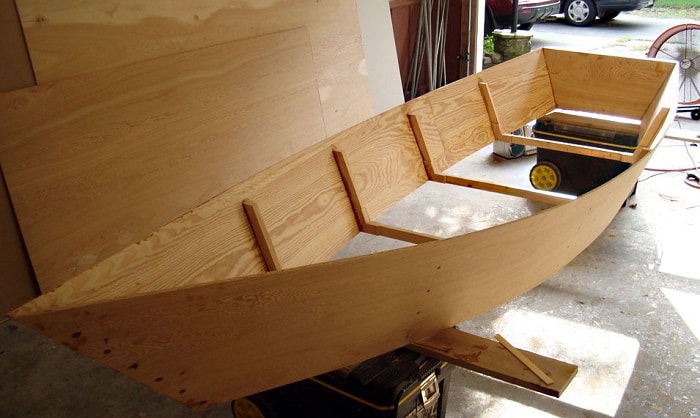
Building a Basic Plywood Boat: A Step-by-Step Guide
Building a plywood boat is a rewarding project that can be enjoyed by both experienced and novice woodworkers. This comprehensive guide will walk you through the essential steps, providing detailed instructions and tips to ensure a successful construction process.
Planning and Design
Choose a Boat Design
The first step is to select a suitable boat design. There are numerous resources available online and in boatbuilding books. Consider factors such as:
- Length and Beam: Determine the desired size and stability of the boat.
- Type of Boat: Choose a design that suits your intended use, such as rowing, sailing, or fishing.
- Skill Level: Select a design that aligns with your woodworking experience.
Gather Materials
Once you have chosen a design, gather the necessary materials:
- Marine Plywood: Select a high-quality marine-grade plywood, preferably with a waterproof finish.
- Boatbuilding Plans: Obtain detailed plans for your chosen design, including dimensions, angles, and assembly instructions.
- Epoxy Resin and Hardener: Use marine-grade epoxy resin and hardener for bonding and sealing the plywood.
- Fiberglass Cloth: Apply fiberglass cloth over the epoxy resin for added strength and water resistance.
- Wood Screws: Use marine-grade screws for attaching the plywood panels.
- Paint and Primer: Choose a marine-grade paint system to protect the boat from the elements.
- Hardware: Gather necessary hardware, such as oars, rowlocks, seats, and any other accessories.
Construction
Prepare the Work Area
Ensure you have a suitable workspace with adequate ventilation and lighting. Protect your work surface with plastic sheeting or drop cloths. Use a sawhorse or workbench to support the boat during construction.
Cut the Plywood Panels
Carefully cut the plywood panels according to the boat plans. Use a sharp saw, preferably a circular saw or table saw, for accurate cuts. Double-check the measurements and angles before making each cut.
Assembly
Follow the boat plans to assemble the plywood panels. Use epoxy resin and hardener to bond the panels together. Clamp the panels in place until the epoxy cures. Apply fiberglass cloth over the joints for additional strength.
Add Structural Components
Install any required structural components, such as ribs, stringers, and transoms. Use marine-grade screws and epoxy resin to secure these components to the plywood panels.
Finishing Touches
Once the hull is assembled, apply primer and paint according to the manufacturer's instructions. Use a paintbrush or roller for even coverage. Let the paint cure thoroughly before moving on to the next step.
Install Hardware
Install all necessary hardware, including oars, rowlocks, seats, and any other accessories. Ensure that the hardware is securely fastened and properly aligned.
Launch and Testing
Final Preparations
Before launching your boat, perform a final inspection to ensure that all components are securely fastened and that there are no leaks or damage.
Launching the Boat
Choose a calm body of water for the initial launch. Slowly lower the boat into the water and check for any leaks or stability issues.
Testing and Refinements
Take the boat for a test run and assess its performance. Make any necessary adjustments or refinements to ensure that it meets your expectations.
Maintenance and Care
Regular Cleaning
Clean the boat after each use to remove any dirt, debris, or saltwater. Use a mild soap and water solution for cleaning the hull and interior.
Storage
Store the boat in a dry and well-ventilated area when not in use. Cover the boat with a protective tarp or boat cover to prevent damage.
Inspections and Repairs
Regularly inspect the boat for any signs of damage or wear. Address any issues promptly to prevent further deterioration.
Safety Considerations
Always prioritize safety when operating a boat. Wear a life jacket at all times and be aware of your surroundings. Follow all boating regulations and laws.
Conclusion
Building a basic plywood boat is a rewarding experience that allows you to create a custom vessel for your enjoyment. By following these steps and prioritizing safety, you can successfully construct a durable and reliable boat that will provide years of enjoyment on the water.
0 comments:
Post a Comment
Note: Only a member of this blog may post a comment.